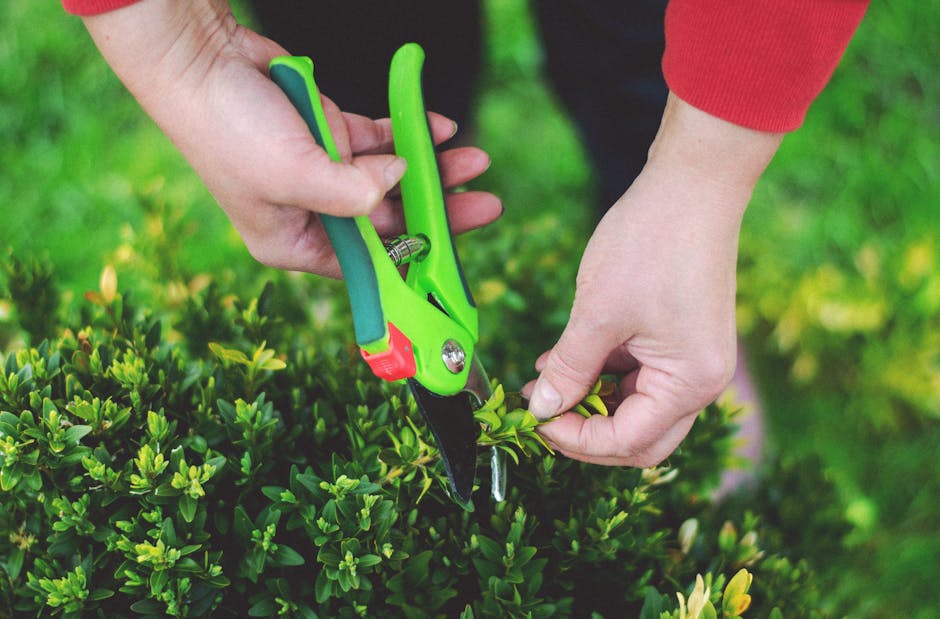
Best gardeners near Raynes Park station for local homes
If you live close to Raynes Park station, you already know the rhythm of the area: busy mornings, compact streets, a mix of family homes and terraces, and gardens that can look a bit neglected after one too many wet weeks. Finding the best gardeners near Raynes Park station for local homes is not just about getting the grass cut. It is about choosing someone who understands local properties, works neatly around neighbours, and keeps your outdoor space usable without turning it into a weekend project you never quite start.
Whether you need regular upkeep, a one-off tidy-up, or a full refresh, the right local gardener can save time, reduce stress, and make your home feel sharper from the moment you step outside. This guide walks through what to look for, how garden services usually work, where people go wrong, and how to decide with confidence. Truth be told, a good gardener often becomes one of those people you are quietly very glad to have found.
Table of Contents
- Why it matters for local homes near Raynes Park station
- How local gardening services work
- Key benefits and practical advantages
- Who this is for and when it makes sense
- Step-by-step guidance
- Expert tips for better results
- Common mistakes to avoid
- Tools, resources and recommendations
- Law, compliance, standards and best practice
- Options, methods and comparison
- Case study or real-world example
- Practical checklist
- Conclusion
- Frequently asked questions
Why Best gardeners near Raynes Park station for local homes Matters
Local gardens in and around Raynes Park often need more than a quick trim. They have a habit of collecting the usual urban garden problems: narrow access, shared boundaries, awkward corners, mature hedging, tired lawns, and that one patch that always seems to get more shade than sunshine. A gardener who works locally will usually recognise those patterns straight away. That matters because better diagnosis leads to better results.
The phrase "best gardeners near Raynes Park station for local homes" is really shorthand for a few things people care about:
- Can they keep a garden tidy on a regular schedule?
- Do they handle both light maintenance and heavier clearances?
- Will they work neatly in a residential setting without upsetting neighbours?
- Can they advise on practical improvements, not just do the obvious jobs?
For homeowners, the value is not only appearance. A well-kept garden helps you catch issues early, such as dead growth, poor drainage, overgrown hedges, and neglected edges that can quietly make a space feel smaller. It can also make day-to-day life easier. You notice it in small ways: less mud tracked in, fewer brambles snagging the bins, and a patio that is actually pleasant to step onto at 7am with a mug of tea.
If you are weighing up different services, it helps to think beyond the headline job. For example, regular upkeep is often the right fit for homes that just need consistency, while a one-off refresh may be more suitable after a long gap or before selling. The wider service picture is laid out clearly in the site's services overview, which is useful if you are comparing what is covered.
How Best gardeners near Raynes Park station for local homes Works
Most local gardening services follow a simple pattern, though the quality of the visit depends on how well the gardener assesses the garden first. A good process usually starts with a discussion about what you want fixed, what you want maintained, and what can wait. That first conversation matters more than people think. You do not want someone arriving with a mower mindset when the real issue is a hedgerow creeping across a fence line.
In practice, the work often falls into a few common types:
- Routine maintenance such as mowing, edging, weeding, pruning, and general tidying.
- Targeted tasks like hedge trimming, clearance, or cutting back overgrowth.
- Structural improvements such as landscaping, decking, or reshaping beds and paths.
- Safety-focused work for branches, unstable growth, or access issues that need careful handling.
Local homeowners often mix and match these needs. One month you might want the lawn sorted and borders cleaned up. The next, you might want a hedge lowered because the back of the garden has gone dark. That is where a flexible service approach is valuable. If you need ongoing care rather than one-off help, garden maintenance is usually the most practical starting point.
In a residential setting, good gardeners also think about the practicalities of access, waste removal, timing, and keeping noise sensible. To be fair, nobody enjoys a metal strimmer buzzing away next to a bedroom window at the wrong time. A decent local service will plan around that. It sounds basic, but it is one of the easiest ways to tell whether you are dealing with someone who understands domestic work.
Key Benefits and Practical Advantages
Choosing the right gardener near Raynes Park station is about more than convenience. The real benefits show up over time, in the condition of the garden and the amount of mental load removed from your week.
| Benefit | What it means for local homes | Why it matters |
|---|---|---|
| Better presentation | Cleaner lawn edges, healthier hedges, and tidier borders | Makes the property feel cared for and more inviting |
| Time savings | Jobs are done without your weekend disappearing | Useful for busy households and commuters |
| Healthier plants | Regular pruning and maintenance support stronger growth | Reduces avoidable damage and plant stress |
| Safer outdoor space | Less trip risk, fewer low branches, better visibility | Important for families, older residents, and narrow gardens |
| Reduced overwhelm | Big jobs are broken into manageable stages | Makes garden care feel achievable instead of endless |
There is also a quieter benefit people often underestimate: momentum. Once a garden is brought back under control, it becomes much easier to keep it that way. A well-managed space tends to stay manageable. An overgrown one, on the other hand, can snowball fast. A few missed weeks and suddenly you are dealing with a jungle that smells a bit too earthy after rain.
If your outdoor space is beyond a simple tidy-up, services such as garden clearance can help reset the space before maintenance takes over again.
Who This Is For and When It Makes Sense
This kind of local gardening support suits a surprisingly wide range of homes. It is not only for people with large gardens or those planning a makeover. In fact, many of the strongest use cases are very ordinary.
- Busy commuters who want a tidy garden without spending their own evenings on it.
- Families who need a safe, usable space for children and pets.
- Landlords who want exterior areas kept presentable between tenancies.
- Older homeowners who prefer reliable help with physical garden work.
- New residents who have inherited a garden that needs a proper reset.
- Homeowners preparing to sell and needing the garden to look intentional, not forgotten.
It makes sense to bring in a gardener when the work is becoming inconsistent or unsafe, or when the garden needs more than a one-off quick fix. If hedges are blocking light, lawns are patchy, or you have climbing weeds making everything look untidy, a professional can often deal with it faster and more cleanly than a DIY weekend. And frankly, some jobs are just better left to someone with the right kit and a steady hand.
If you are exploring a broader service mix, lawn mowing, hedge trimming, and landscaping are the sorts of services that can be combined depending on the garden's condition and your priorities.
Step-by-Step Guidance
If you want to choose well, it helps to approach the process in a sensible order. Nothing fancy. Just a clean decision path.
- Walk the garden before you call anyone. Note the jobs that matter most: mowing, hedge cutting, weeding, pruning, clearance, or design work.
- Separate urgent work from nice-to-have work. Safety issues and access problems should come first. Decorative work can wait.
- Ask what is included. A quote for a garden tidy-up may or may not include waste removal, border work, or hedge waste disposal.
- Check whether the gardener handles one-off visits and ongoing maintenance. Some are better at repeat care, others specialise in heavier transformations.
- Discuss timing. This matters in a local setting where shared walls, parking, and neighbour sensitivities can affect how the job runs.
- Confirm how they manage clippings and waste. If there is a lot of material, you want to know where it goes and how the site will be left.
- Review the result after the first visit. Look at the small details: edges, corners, cleanup, gate closures, and whether the garden feels balanced rather than just cut back.
A neat first visit often says more than a polished sales pitch. You will notice whether they listen, whether they explain options plainly, and whether they avoid overselling. Those are good signs. Very good signs, actually.
Expert Tips for Better Results
From a practical point of view, the best results usually come from a few simple habits on both sides.
- Be specific about the outcome. "Make it tidy" is vague. "Lower the hedge, mow the lawn, and clear the back corner" is better.
- Keep a short priority list. If the whole garden is overdue, rank the jobs so the essentials are not lost in the noise.
- Ask for maintenance frequency suggestions. A good gardener can often tell you whether monthly, seasonal, or ad hoc visits make sense.
- Match the service to the season. In spring, growth can surge; in autumn, leaf fall and clearance become more important; in winter, structure and safety matter more.
- Think in zones. Front garden, back garden, side return, and planters may need different levels of attention.
One small but useful tip: if you have a compact garden near the station, ask the gardener how they handle access and equipment movement. In narrow spaces, efficiency matters. It is one of those things nobody thinks about until a wheelbarrow is stuck halfway down the path. Not ideal.
If your garden has mature shrubs, awkward hedging, or overgrown boundaries, pairing routine care with occasional specialist work can be sensible. For example, a regular maintenance schedule plus targeted tree lopping and removal work, where appropriate, can keep the whole space safer and lighter without overdoing it.
Common Mistakes to Avoid
Most garden problems do not happen overnight. They build because the same few mistakes get repeated. Here are the ones that show up most often.
- Choosing on price alone. Cheap can be fine, but only if the scope is clear and the work is actually what you need.
- Assuming all gardeners do the same thing. Some focus on maintenance, others on landscaping, clearance, or specialist tasks.
- Not checking waste handling. A tidy finish is part of the job, not an optional extra.
- Waiting until the garden is severely overgrown. By then, the work is more disruptive, slower, and often more expensive.
- Failing to set priorities. If every task is "urgent," nothing gets done properly.
There is also a softer mistake: expecting a garden to become perfect in one visit when it really needs a phased approach. That is understandable, but not always realistic. A neglected garden near a busy station can take a bit of rebuilding. Better to get it under control properly than to rush and regret the result later.
Tools, Resources and Recommendations
You do not need to become a gardening expert to make a smart choice, but a few practical tools and reference points help.
- A simple garden inventory listing what needs attention and how often.
- Photos of problem areas so you can explain the issue clearly before the visit.
- A rough plan of the garden if there are multiple zones, shared paths, or hard-to-see corners.
- A note of access limits such as side gates, narrow passages, or parking constraints.
- A realistic budget range so you can decide whether you need maintenance, clearance, or a larger improvement project.
For homeowners comparing services, the most useful pages tend to be the ones that clarify scope and trust signals. The site's pricing and quotes page can help with budgeting, while about us is useful if you want to understand the business behind the service before getting in touch.
If sustainability matters to you, it is worth asking how green waste is handled and whether materials are reused or recycled where possible. The page on recycling and sustainability is a sensible place to look for that kind of reassurance.
Law, Compliance, Standards and Best Practice
For domestic garden work, the main concern is less about red tape and more about safe, sensible practice. That said, it is still worth choosing a gardener who behaves as though standards matter.
In the UK, good garden businesses are expected to think carefully about health and safety, tools, access, manual handling, and waste disposal. If work involves ladders, cutting equipment, branches, heavy lifting, or awkward surfaces, it should be approached with care. You do not want sloppy work. You really do not want someone improvising on a wet patio at 8:30 in the morning.
Best practice usually includes:
- clear communication before work starts
- appropriate care around pets, children, and neighbours
- safe handling of tools and garden waste
- attention to access routes and trip hazards
- proper insurance and a sensible complaints process
It is also reasonable to expect transparency around terms, payments, and what happens if a job changes once the work begins. Pages such as health and safety policy, insurance and safety, and payment and security help set the tone for a trustworthy service. You may never need to read every detail, but knowing they exist is reassuring.
There is also a practical human side to standards. A tidy job that leaves gates secure, paths clear, and clippings removed is not just "nice"; it is part of working professionally in a residential area.
Options, Methods, or Comparison Table
If you are trying to decide what level of help you need, it can help to compare the main options side by side. Not every garden needs the same solution.
| Option | Best for | Typical outcome | Watch out for |
|---|---|---|---|
| Regular garden maintenance | Homes that need steady, repeated care | Neat, manageable garden with less seasonal build-up | Can be too light if the garden is badly overgrown |
| One-off tidy-up | Gardens that have slipped behind but do not need redesign | Visible improvement in a single visit or short series of visits | May need follow-up maintenance to keep the result |
| Clearance work | Overgrown, cluttered, or neglected spaces | Reset garden ready for regular care or future changes | Can be more disruptive and waste-heavy |
| Landscaping or redesign | Homes wanting a more usable or attractive layout | New structure, improved flow, better long-term use | Needs clearer planning and usually a bigger budget |
If you are unsure which path to choose, a quick clue is this: if the garden mostly needs repetition, go maintenance; if it has become unwieldy, go clearance; if it is usable but awkward, look at landscaping. It sounds obvious when you say it out loud, but people often skip this bit and then wonder why the job feels off.
Case Study or Real-World Example
Imagine a typical Raynes Park home with a small back garden, a hedge along one boundary, a lawn that has thinned out near the shed, and a side return where weeds keep returning after rain. The owners have not ignored it entirely. Life just got in the way, as it does. Work, school runs, weekend plans, the usual.
They call in a local gardener with a clear brief: tidy the space, reduce the hedge height slightly, improve the lawn edges, and clear the worst of the overgrowth in the side return. The first visit focuses on shape and access. The second tidies details and gets the garden back to a point where it is easy to maintain. No drama, no unnecessary redesign, just a sensible reset.
What changes most is not only how the garden looks, but how it feels to use. The patio becomes somewhere you can sit for ten minutes without noticing the mess first. The grass feels intentional. The hedge stops pressing into the light. Small things, yes, but they make a home feel more settled.
That is the real value of a good local gardener. Not theatre. Not overpromising. Just steady, visible improvement that fits the home.
Practical Checklist
Use this checklist before you book.
- List the main jobs in order of priority.
- Decide whether you need maintenance, clearance, or a larger improvement.
- Check if access is narrow, shared, or awkward.
- Ask what is included in the price.
- Confirm how waste and clippings are handled.
- Ask whether the gardener is set up for one-off or recurring work.
- Make sure the timing works for your household and neighbours.
- Review the business's trust and policy pages before booking.
- Have a realistic idea of the finish you want.
- Plan a follow-up routine so the garden stays under control.
Expert summary: The best gardeners near Raynes Park station are not just the ones who can make a garden look better on day one. They are the ones who make it easier to keep it that way next month, next season, and beyond.
Conclusion
Choosing the best gardeners near Raynes Park station for local homes comes down to a mix of practical fit, clear communication, and genuine local know-how. The right person should understand domestic gardens, respect your home, and bring a calm, organised approach to work that can otherwise feel a bit overwhelming. That is the sweet spot.
If you want a garden that feels neat, usable, and easier to live with, focus on the service that matches your situation rather than the one with the flashiest promise. A tidy lawn, controlled hedges, sensible clearance, and regular upkeep can do more for your home than a dramatic makeover you never asked for.
Get a free quote today and see how much you can save.
And if you are still deciding, that is fine too. A good garden decision is rarely rushed; it is usually the one that makes the next few months feel easier, lighter, and a little more enjoyable when you step outside.
Frequently Asked Questions
What should I look for in a gardener near Raynes Park station?
Look for clear communication, relevant domestic experience, tidy working habits, and a service range that matches your garden's needs. If you need ongoing care, make sure they offer maintenance as well as one-off work.
How do I know whether I need garden maintenance or garden clearance?
If the garden is basically healthy but needs regular tidying, maintenance is usually right. If it has become overgrown, cluttered, or difficult to access, clearance is often the better first step.
Can a local gardener help with small gardens as well as larger ones?
Yes. In fact, compact gardens often benefit a lot from professional care because every edge, corner, and boundary line matters. Small spaces can look tired quickly if they are not kept in shape.
How often should a domestic garden be maintained?
That depends on the size of the garden, the planting, and how quickly it grows. Some homes need frequent attention in spring and summer, while others can manage with less regular visits. A good gardener will suggest a sensible rhythm.
Do gardeners usually remove waste and clippings?
Some do, some do not, and some offer it as part of the quote. Always check this before booking so you know what will be left on site and what will be taken away.
Is it worth hiring a gardener before selling a house?
Usually, yes. A neat garden can make a property feel better cared for and more welcoming. You do not need a full redesign. Often a tidy lawn, controlled hedge, and clean borders are enough.
What if my garden needs both maintenance and landscaping?
That is common. Many homes need a practical blend of both, especially if the garden is usable but awkward. Maintenance keeps it manageable, while landscaping can improve layout and long-term function.
How can I compare quotes fairly?
Compare the scope, not just the headline price. Check what is included, how waste is handled, whether the visit is one-off or ongoing, and whether the quote reflects the actual condition of the garden.
Are there any safety issues I should ask about?
Yes. Ask how the gardener handles tools, access, branches, slippery surfaces, and waste. For more involved work, it is sensible to review their health and safety approach and insurance details.
What services are most useful for local homes near the station?
The most common needs are lawn mowing, hedge trimming, garden maintenance, clearance, and occasional landscaping. The right mix depends on whether the garden needs upkeep, recovery, or a bigger refresh.
Can a gardener work around tight access or shared pathways?
Often, yes. Many residential gardens in built-up areas require careful movement through narrow side access or shared paths. It is best to mention these constraints early so the job can be planned properly.
How do I keep the garden manageable after the first visit?
Agree a maintenance rhythm, keep an eye on growth in peak seasons, and tackle small issues before they become big ones. A short, regular visit is usually easier than letting everything build up again.