Recycling and Sustainability — Garden Maintenance Raynes Park
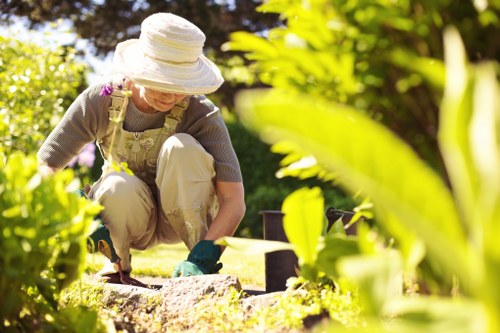 Garden Maintenance Raynes Park blends practical lawn care with an eco-conscious approach to waste. Our eco-friendly waste disposal area and sustainable rubbish gardening area are designed to keep green waste out of landfill, reduce emissions from site transport, and return nutrients to local soils. Whether you choose our Raynes Park garden maintenance service or our wider lawn and shrub care, every job is planned with resource recovery and low-carbon handling at the forefront.
We operate a clearly marked, on-site sorting zone where crews separate materials at source: woody prunings, herbaceous cuttings, mixed green waste and non-compostables. This area is configured as an eco-friendly waste disposal area — with covered bays to prevent contamination and designated containers for items that can be composted, chipped for mulch, or redirected to reuse partners. Our approach to the sustainable rubbish gardening area minimises double handling and speeds up diversion to appropriate destinations.
 The London Borough approach to waste separation informs our processes: kerbside collections and local policies encourage householders to pre-sort recyclables, food waste and garden material. We compliment borough services by consolidating garden arisings into load-efficient deliveries to local transfer stations and civic recycling centres across the Borough of Merton and neighbouring areas, reducing the number of trips and the carbon impact per tonne collected.
Our Recycling Targets and Local Partnerships
We set measurable goals for every season. Currently our internal recycling performance for garden maintenance operations sits at approximately 55% diversion from landfill; our target is to reach a 70% recycling rate by 2028. This target covers all routine green waste, timber offcuts, and recyclable packaging generated on jobs in Raynes Park and surrounding neighbourhoods. Progress is tracked per van load and reported internally so we continually refine the eco-friendly garden maintenance systems.
 To make that target a reality we work with local transfer stations and civic amenity centres to ensure materials are processed correctly — from composting facilities that accept mixed green waste to transfer sites that coordinate onward recycling of timber and bulky items. By routing separated loads to the best-performing facilities we improve end-of-life outcomes for garden waste and support the borough’s circular economy objectives.
Partnerships with charities and social enterprises are central to our sustainable rubbish gardening area strategy. We collaborate with local reuse organisations and community groups to divert usable items such as planters, paving slabs and clean timber to new homes, rather than to recycling streams that may degrade their value. Donations and reuse reduce waste, help local projects, and keep materials in productive use.
Practical Actions: Compost, Chip, Donate
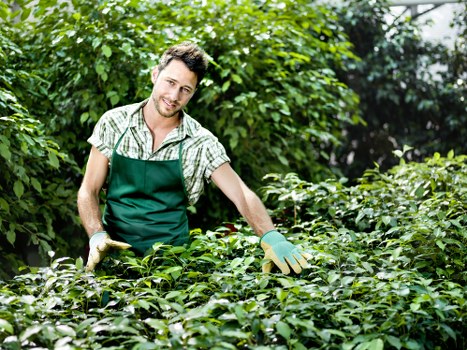 On-site composting and controlled chipping form the backbone of our sustainable garden maintenance. Soft green cuttings are directed into composting where appropriate, producing rich soil conditioner that we can reuse on future jobs. Larger branches and hedge trimmings are chipped and used as mulch for paths and beds, conserving moisture and suppressing weeds — a closed-loop approach to organic matter.
Our toolbox of low-impact practices includes:
- Source separation: crews segregate green waste, timber, plastics and metals at collection points;
- On-site reuse: salvaging bricks, sleepers and planters for redeployment;
- Composting & chipping: turning arisings into compost or mulch to be reused locally;
- Responsible disposal: directing non-recyclables to licensed transfer stations and recycling centres in line with borough rules.
These steps ensure our Raynes Park garden maintenance services minimise residual waste and maximise material recovery.
 Our fleet is transitioning rapidly to low-emission vehicles. We operate a mix of electric vans for short urban runs and the latest low-emission hybrids for longer loads to transfer stations. Route optimisation and consolidated pickups reduce mileage and idling time; combined with EV charging plans at our depots, the result is a measurable reduction in operational carbon compared with older diesel fleets.
We also prioritise operational best practice: scheduled maintenance to keep engines efficient, driver training for eco-driving, and careful load planning to avoid half-empty runs. All of this supports the ambition to make Raynes Park garden maintenance synonymous with low-carbon, high-impact sustainability outcomes.
In summary, our approach to recycling and sustainability in garden care is practical, measurable and community-minded. By setting a clear 70% recycling target, using local transfer stations effectively, partnering with charities and reuse organisations, and operating a low-carbon van fleet, Garden Maintenance Raynes Park seeks to model how small businesses can reduce waste, support borough recycling strategies and keep green matter working for local soils rather than for landfill. We continuously refine the sustainable rubbish gardening area systems to deliver better environmental outcomes for Raynes Park and the wider borough.