Common problems accessing gardens in Copse Hill for gardeners
If you have ever tried to move tools, waste bags, or a mower through a narrow side passage with a wheelie bin in the way and a hedge brushing your shoulder, you already know the issue: access can make or break a garden job. In Copse Hill, that is often the real challenge for gardeners, not the planting, pruning, or mowing itself. This guide looks at the common problems accessing gardens in Copse Hill for gardeners, why they matter, and what a sensible, professional approach looks like in the real world.
We will cover the practical obstacles you are likely to meet, how they affect time, safety, pricing, and quality, and the steps that help a job run smoothly. You will also find a checklist, a comparison table, and a few grounded tips from everyday garden work. Truth be told, most access problems are manageable - but only if they are spotted early.
Table of Contents
- Why access problems matter in Copse Hill
- How garden access issues affect the work
- Key benefits of planning access properly
- Who this is for and when it makes sense
- Step-by-step guidance
- Expert tips for better results
- Common mistakes to avoid
- Tools, resources and recommendations
- Law, compliance, standards, or best practice
- Options, methods, or comparison table
- Case study or real-world example
- Practical checklist
- Conclusion
- Frequently Asked Questions
Why Common problems accessing gardens in Copse Hill for gardeners Matters
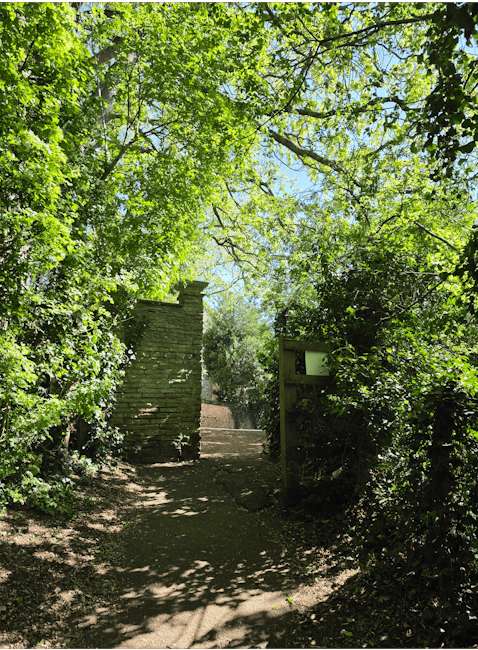
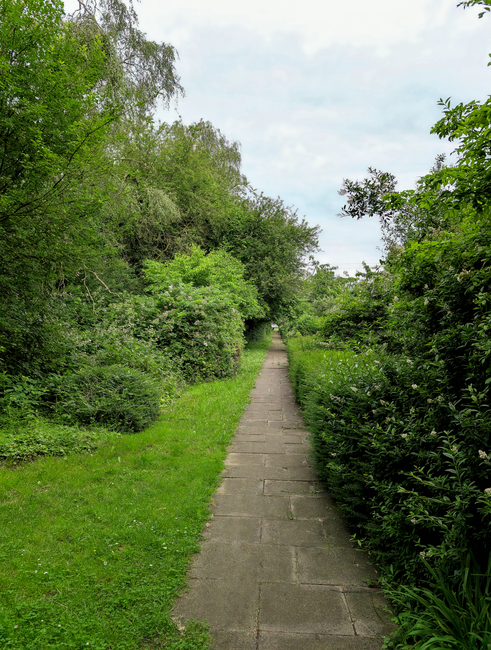
Access sounds like a small detail until you are standing at a gate that barely opens, carrying bags of clippings, and trying not to scuff a freshly painted wall. In Copse Hill, many gardens are tucked behind homes, split by narrow paths, or separated from the street by steps, awkward corners, shared drives, and parked cars. For gardeners, that means every minute of moving equipment can affect the whole visit.
It matters for three big reasons: efficiency, safety, and finish quality. When access is poor, the work takes longer, the risk of damage rises, and the final result can suffer because the team spends too much energy simply getting in and out. The garden itself may be perfectly manageable once you reach it, but the journey there is where the friction begins.
There is also the matter of customer expectations. A client may think the job is straightforward, while the gardener knows the path is narrow, the soil bags are heavy, and there is nowhere sensible to stage waste. That mismatch can lead to delays or frustration. Better to talk about it early, even if it feels slightly awkward at first. Saves everyone a headache later.
If you are looking for broader support with regular upkeep once access is sorted, our garden maintenance service and services overview explain the sort of ongoing work that often depends on easy, reliable entry.
How Common problems accessing gardens in Copse Hill for gardeners Works
Garden access issues usually show up in a few predictable ways. A visit may begin well enough, then stall when the gardener realises the mower will not fit through a side gate, or that the only route to the back garden runs through a kitchen, a shared hallway, or a slippery side return. In practical terms, access affects how the work is planned, what tools are brought, and how waste is removed.
Here is the basic pattern. First, the site needs assessing. Then the gardener works out whether the garden can be reached safely and efficiently with standard equipment, or whether a different approach is needed. That might mean using compact tools, breaking work into sections, carrying waste out in smaller loads, or scheduling an extra clearance pass.
On some properties, the access challenge is obvious from the street. On others, it only becomes clear once you have moved through a narrow passage, climbed a small set of steps, or tried to turn a hedge trimmer around a blind corner. A rainy morning makes it all feel more awkward, and in London that is hardly rare. Wet paving, mossy slabs, and uneven edges can turn a simple carry route into a cautious shuffle.
The work itself is rarely impossible. It is just different. And that difference matters when you are quoting time, labour, and the type of service required. For example, a straightforward mow may become a two-person job if the route is tight and the lawn is reached through a cluttered access path. A larger clearance could need more planning, or even garden clearance support if the space is heavily overgrown.
Key Benefits and Practical Advantages
Thinking through access before the job starts is not just a nice-to-have. It changes the whole experience for both gardener and homeowner. Done properly, it helps the work stay neat, safe, and realistic.
- Faster jobs: Less back-and-forth through tight spaces means more time spent on actual gardening.
- Lower damage risk: Good access planning reduces scuffed walls, broken slats, bent gates, and crushed borders.
- Better quoting: A clearer picture of access helps avoid surprise costs or rushed work later.
- Safer lifting: Heavy pots, cuttings, and soil bags are easier to move when the route is known in advance.
- Cleaner finish: The team can remove waste properly instead of leaving piles where they become a nuisance.
There is another advantage that people sometimes miss: good access planning helps the gardener protect the garden itself. Ironically, the worst damage often does not happen in the bed being worked on. It happens on the path in and out - the corner of a wall, the edge of a gate, the muddy strip beside a lawn. A few minutes of planning can stop that.
For larger or more complex jobs, it can also be helpful to look at related services such as landscaping, landscape gardening, or even decking services if access and layout need a more structural fix rather than a one-off tidy.
Who This Is For and When It Makes Sense
This topic matters to a few groups in particular. If you are a homeowner in Copse Hill, it helps you understand why a gardener may ask about gate widths, parking, or side access before agreeing a job. If you are a gardener or grounds maintenance professional, it helps you quote accurately and avoid avoidable delays. And if you manage a rental property or inherited garden, it helps you work out whether the space needs a light tidy, a deeper clearance, or a redesign to improve movement.
It especially makes sense when:
- the garden is at the rear of the property and reached through a narrow side passage
- there are steps, uneven paving, or raised thresholds
- parking is limited and tools must be carried from a distance
- hedges, trees, or fencing partially block the route
- the garden is heavily overgrown and the access point is not easy to see
- multiple trades or household members share the same access route
In our experience, this is where a small amount of honesty pays off. If access looks tricky, say so early. A gardener would usually rather hear that before arrival than discover it while balancing a mower and a rake like a circus act. Not exactly ideal.
Step-by-Step Guidance
Here is a simple, practical way to handle access issues before and during a garden visit.
- Walk the route first. Check the front path, side access, steps, gates, and any indoor route if applicable. Measure mentally, or properly if needed.
- Look for bottlenecks. Tight corners, low branches, bins, bikes, planters, and door furniture can all interfere with movement.
- Identify the heaviest items. Mowers, compost sacks, hedge trimmings, and tools may need a different carrying plan.
- Check for surface risks. Wet slabs, mud, loose gravel, and algae all increase slip risk, especially when loads are being carried.
- Decide whether standard tools will fit. If not, use compact or hand tools, or plan a different service method.
- Agree waste removal in advance. If green waste cannot pass easily through the property, the job may need smaller loads or an extra clearance step.
- Protect the route. Use boards, old sheets, or temporary coverings where sensible to avoid scuffs and soil marks.
- Reassess mid-job. Gardens change once work starts. A path that seemed clear can become blocked by cut material very quickly.
A small but useful habit is to photograph the access route before the first visit. Nothing fancy, just enough to remember where the tight turn or tricky gate is. That tiny step can save a lot of time later. It sounds obvious, but the obvious things are often the ones that get skipped.
Expert Tips for Better Results
Here are a few things that experienced gardeners tend to do almost automatically.
- Bring the right kit for the route, not just the garden. A compact mower or lightweight hand tools can be the difference between smooth work and a repeated struggle through a narrow gate.
- Ask about parking before the appointment. If tools need to be carried a long way from the vehicle, that should be built into the plan.
- Check for hidden access blockers. Loose dog runs, locked side gates, overgrown climbers, and stacked firewood can all derail the best plan.
- Keep one clear path for waste. It helps to designate a route for cuttings so the garden does not become a maze by lunchtime.
- Use smaller loads in awkward properties. It is slower, yes, but it often prevents dropped debris and damaged edges.
One practical observation: the more urban and tightly packed the street, the more likely access will shape the day. Copse Hill has a mix of property types, and even a lovely garden can hide a very unlovely access route. That is normal. It is not a flaw, just a planning point.
If access problems are caused by overgrown boundaries rather than the layout itself, then hedge trimming and, in some cases, tree lopping and removal may be part of the fix. Sometimes the route to the garden has literally been swallowed by greenery. Nature can be a bit pushy like that.
Common Mistakes to Avoid
The same problems come up again and again, and they are usually preventable.
- Assuming access will be fine. It often is not. Do not leave it to chance.
- Underestimating waste volume. A small-looking tidy-up can create a surprising amount of cuttings, especially if the garden is neglected.
- Forgetting about wet weather. A route that is manageable in dry weather can become slippery and awkward after rain.
- Bringing oversized tools. Bigger equipment is not always better if it cannot physically get through the route.
- Blocking the path during the job. Once you start piling material near the only exit, you create a second problem for yourself.
- Ignoring neighbour impact. Tight access routes sometimes share boundaries or common spaces, so keep movement tidy and respectful.
There is also a communication mistake worth mentioning: people sometimes say, "It should be fine," when they are not actually sure. That phrase causes more trouble than almost anything else. If there is doubt, say there is doubt. Simple as that.
Tools, Resources and Recommendations
You do not always need specialist equipment, but the right tools can make awkward access much easier to manage. The best choice depends on the size of the garden, the route, and the kind of work being done.
| Access challenge | Useful tools or approach | Why it helps |
|---|---|---|
| Narrow gate or passage | Compact hand tools, foldable handles, smaller loads | Reduces repeated squeezing through tight spaces |
| Long carry from vehicle to garden | Stackable buckets, wheelbarrow where suitable, planned staging points | Improves efficiency and reduces fatigue |
| Slippery or uneven route | Good footwear, route clearing, temporary protective coverings | Helps reduce slips and surface damage |
| Heavy green waste | Smaller bags, staged removal, garden clearance support | Makes disposal manageable and safer |
| Overgrown entrance | Pre-cut access path, hedge trimming, selective pruning | Creates a workable route without over-disturbing the site |
For readers who want a broader understanding of how services fit together, the most useful starting points are usually the services overview and the practical details on pricing and quotes. If you want to know how a business handles site safety, health and safety policy and insurance and safety are worth reading too.
Where waste removal matters, sustainability is another useful angle. A responsible gardener should think about reuse, disposal, and sorting green waste sensibly. The company's recycling and sustainability page gives a useful sense of that approach.
Law, Compliance, Standards, or Best Practice
Access work in gardens is not usually about heavy regulation, but it does touch on safety, property care, and reasonable professional practice. In the UK, gardeners and landscapers are generally expected to work carefully, avoid unnecessary damage, and take sensible precautions where surfaces, tools, or lifting create risk.
That means a few things in practice:
- Risk awareness: If a route is slippery, cramped, or poorly lit, it should be treated as a real hazard rather than an inconvenience.
- Manual handling: Heavy materials should be moved with care, especially through steps or narrow passages.
- Property protection: Gates, fences, walls, decking, and paving should be protected where sensible during movement of tools and waste.
- Clear communication: Site limitations should be discussed before work starts, especially where access affects time or method.
It is also sensible to check a business's own commitments around health and safety, insurance and safety, and its accessibility statement if access, mobility, or site conditions are a concern. That is not overcautious; it is just good practice.
And if you ever need to understand the commercial side of a job, it can help to review terms and conditions and the company's payment and security information. Clear terms tend to prevent awkward surprises. Nobody enjoys those, let's be honest.
Options, Methods, or Comparison Table
When access is awkward, there is rarely just one way to solve it. The right choice depends on how bad the access is and how much work needs to be done.
| Method | Best for | Limitations | Overall note |
|---|---|---|---|
| Standard gardening with normal tools | Easy access, wide gates, clear paths | Can be awkward if entry is tight | Best when movement is simple |
| Compact-tool approach | Narrow side returns and smaller gardens | Slower for larger lawns or heavy growth | Good balance for restricted access |
| Phased work | Overgrown gardens, limited waste movement | May require more visits | Useful when the garden needs resetting gradually |
| Garden clearance first | Very cluttered or blocked gardens | Not ideal for simple maintenance jobs | Often the most practical first step |
| Layout improvement | Repeated access issues year after year | More involved and may need design work | Best for long-term usability |
If access problems are only temporary, a maintenance visit or clearance may be enough. If they are structural - a gate too narrow, a path too uneven, a route that always floods - then a longer-term solution through landscape gardening or landscaping may make more sense. That is usually where the smartest money goes, if you ask me.
Case Study or Real-World Example
A typical Copse Hill scenario might look like this. A back garden is in decent shape, but the only access runs through a narrow side passage beside a brick wall. The gate opens only partway because of a bin store. A mower will fit, but only just. The waste from a light hedge trim looks manageable at first, until the first two bags are filled and the route starts narrowing with clippings.
In that kind of situation, a sensible gardener will usually do three things. First, clear the route before starting. Second, switch to smaller waste bags instead of trying to carry too much at once. Third, trim in a sequence that keeps one path open at all times. If the hedge is the thing causing the problem, then trimming the boundary first can open the route and make the rest of the work much smoother.
It is rarely dramatic. There is no big showdown with the garden gate. But the difference between a frustrating job and a smooth one often comes down to this sort of quiet planning. By the end, the garden looks tidy, the path is clear, and nobody has had to wrestle a compost sack through a doorway at an awkward angle. That counts as a win.
Practical Checklist
Use this quick checklist before a garden job where access might be tight.
- Is the main access route clear of bins, bikes, furniture, and loose clutter?
- Will standard tools fit through gates, passages, and doorways?
- Are there steps, uneven paving, or slippery areas to watch for?
- Is parking close enough to avoid long carrying distances?
- Have you told the gardener about any locked gates or shared access points?
- Will green waste need to be removed in smaller loads?
- Do hedges, trees, or overgrowth block the route in any way?
- Has the gardener been told about fragile paving, decking, or boundary features?
- Would a clearance or layout adjustment help more than repeated patching-up work?
- Have you checked the company's pricing and quotes information before booking?
Expert summary: The best access solution is usually the simplest one that protects the property, keeps the route clear, and lets the gardener work without fighting the space. If access is difficult, plan the route first and the gardening second.
Get a free quote today and see how much you can save.
Conclusion
Common problems accessing gardens in Copse Hill for gardeners are usually less about the garden itself and more about the route into it. Narrow gates, awkward paths, poor parking, overgrown boundaries, and slippery surfaces can all turn a simple job into a fiddly one. The good news is that these problems are normally manageable with the right planning, the right tools, and honest communication before work starts.
For homeowners, the main takeaway is straightforward: if access looks difficult, say so early and ask how the job will be approached. For gardeners, the key is to assess the route properly and shape the work around it rather than forcing a standard method onto an awkward space. That small shift can save time, reduce damage, and improve the final result in a very real way.
And in the end, that is what good garden work should feel like - calm, careful, and just a little bit easier than you feared at the start.
Frequently Asked Questions
What are the most common access problems for gardeners in Copse Hill?
The most common issues are narrow side gates, tight passageways, limited parking, steps, uneven paving, and overgrown entrances. In many cases, the garden is fine once reached, but the route in and out is the real challenge.
Why does poor access affect garden maintenance pricing?
Poor access often means more time carrying tools and waste, slower working speeds, and sometimes extra labour or smaller loads. That does not always mean a job is expensive, but it can change how the quote is built.
Can a gardener still work if the gate is too narrow for a mower?
Often, yes. A gardener may use smaller equipment, hand tools, or a phased approach. If the route is extremely tight, a different method or a preliminary clearance may be needed.
Should I clear the access route before the gardener arrives?
Yes, if you can. Moving bins, bikes, plant pots, and clutter out of the way saves time and reduces the chance of damage. It is one of the simplest things you can do, and oddly enough, one of the most helpful.
What if the only access is through my house?
That can work, but it should be agreed in advance. The gardener may need mats, coverings, or a different waste-handling plan. It is best discussed before the appointment rather than on the doorstep.
Do access issues mean I need garden clearance instead of maintenance?
Not always. If the garden is only lightly untidy, regular maintenance may be enough. If access is blocked by overgrowth, accumulated waste, or heavy clutter, then garden clearance may be the better starting point.
How can I make a tight garden easier to service long term?
Improving the layout, trimming back boundaries, widening access where possible, and keeping routes uncluttered all help. In some cases, landscaping or landscape gardening can make the garden much more practical.
Is it normal for gardeners to ask about access before quoting?
Yes, completely normal. A sensible gardener will want to know about gates, parking, steps, and waste removal so they can give a realistic quote and avoid surprises later.
What safety issues come with difficult garden access?
The main risks are slips, trips, awkward lifting, tool damage, and accidental scuffing of walls or paving. Wet weather can make these problems much worse, especially on narrow or uneven routes.
How do I know if the job needs a specialist approach?
If the access is very tight, the waste volume is high, or the route is unsafe for normal equipment, a more specialised approach is sensible. The gardener may suggest smaller tools, extra labour, or a staged plan.
Can overgrown hedges and trees block access to the garden?
Yes, they often do. Thick hedging, low branches, and unmanaged growth can narrow the route enough to make everyday movement difficult. In those cases, hedge trimming or tree lopping and removal may be part of the solution.
Where can I learn more about the company's approach to safety and payment?
You can review the company's health and safety policy, insurance and safety information, and payment and security details to better understand how jobs are handled.
What is the best first step if I am unsure about access?
The best first step is to explain the access clearly and ask for advice before booking. A short description, a few photos, or a quick walkthrough can prevent misunderstandings and help the gardener plan the job properly.