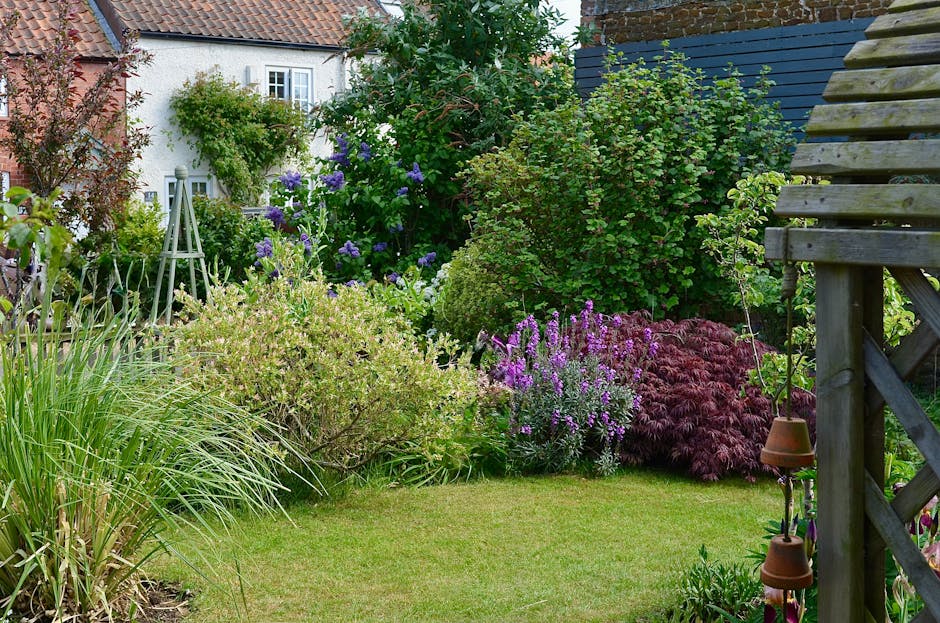
West Barnes small garden care guide for Raynes Park gardeners
Small gardens can be brilliant. They are easier to personalise, quicker to enjoy, and, when they are cared for well, they often look more polished than a bigger space that is left to drift. That said, they can also become cluttered fast. A few untamed borders, a thirsty lawn patch, or one over-enthusiastic hedge and suddenly the whole garden feels tighter than it should.
This West Barnes small garden care guide for Raynes Park gardeners is built for exactly that kind of space. Whether you are trying to keep a compact front garden neat, make a tiny patio feel greener, or turn a slightly awkward back garden into somewhere you actually want to sit, the basics are the same: plan for scale, prune with restraint, and maintain little and often. In our experience, that is where the real difference shows.
If you are weighing up professional help as well as DIY care, it helps to understand the full picture. Services such as garden maintenance, lawn mowing, hedge trimming, and even garden clearance all play a role at different times of year. Small gardens do not need more work. They need the right work.
Table of Contents
- Why small garden care matters in West Barnes and Raynes Park
- How small garden care works in practice
- Key benefits and practical advantages
- Who this is for and when it makes sense
- Step-by-step guidance
- Expert tips for better results
- Common mistakes to avoid
- Tools, resources and recommendations
- Law, compliance, standards, or best practice
- Options, methods, and comparison table
- Case study or real-world example
- Practical checklist
- Conclusion
- Frequently asked questions
Why West Barnes small garden care guide for Raynes Park gardeners Matters
West Barnes and the wider Raynes Park area have a lot of homes where outdoor space is limited, visible, and shared between jobs. A small garden may need to look tidy from the house, feel private enough to use, and still leave room for children, pets, bins, bikes, or a clothes line. That is a lot to ask from a few square metres, so the care approach has to be thoughtful.
When a small garden is neglected, the problems show quickly. Weeds spread across paving in no time. A lawn that is slightly overgrown looks much messier than a large one at the same stage. A hedge that grows an extra 20 cm can suddenly cut out light or narrow a walkway. The space starts to feel smaller, darker, and harder to use. Truth be told, that is usually when homeowners realise the garden needs a more disciplined routine, not a one-off tidy.
There is also a local angle. In suburban London settings like West Barnes, gardens are often bordered closely by neighbours. That means overhanging branches, leaf drop, and boundary growth are not just cosmetic issues. They can affect light, privacy, and the general feel of the property. Sensible routine care keeps everything calmer on both sides of the fence. And that is worth a lot.
Expert summary: Small garden care works best when it is regular, selective, and scaled to the space. Avoid heavy, infrequent cut-backs unless the garden has genuinely been left to run wild.
How West Barnes small garden care guide for Raynes Park gardeners Works
For a compact garden, the practical approach is usually built around three simple principles: keep surfaces clear, control growth before it overwhelms the space, and make every feature earn its place. That might sound obvious, but it is surprising how often a small garden gets treated like a big one. A big border can hide plenty of excess. A small one cannot.
Think in terms of zones. Even a modest outside space usually includes at least one of the following: lawn, paving, planted borders, hedging, decking, or a small storage corner. Each zone needs its own kind of attention. A lawn needs regular cutting and edging. Borders need selective pruning and weed control. Hard surfaces need sweeping and moss management. Timber features such as decking need checking for algae, movement, and weathering. If you are thinking about upgrading or repairing one of those features, decking services or broader landscaping work may make more sense than patching endlessly.
Small garden care also works on a seasonal rhythm. In spring you are shaping, cleaning, and refreshing. In summer you are watering, deadheading, mowing, and preventing stress. In autumn you are clearing leaves and reducing damp problems. In winter you are mainly protecting structure and checking anything that can break in wind or frost. Simple, but not always easy to keep up with. Life gets in the way, after all.
The key is frequency. Little and often almost always beats a giant catch-up job. A 20-minute tidy every week can save you from a full-day rescue later. That is especially true in West Barnes, where compact gardens often sit close to the house and are noticed every single day.
Key Benefits and Practical Advantages
Good small garden care does more than make things look nice. It changes how the whole property feels. You get more usable space, better light, cleaner sightlines, and less of that nagging sense that the garden is unfinished. For homeowners, that can be surprisingly motivating. Once the garden feels manageable, you are much more likely to use it.
- Better first impressions: Small front gardens and visible rear gardens influence how tidy the whole home appears.
- More usable space: Keeping edges, paths, and planting under control makes the garden feel bigger.
- Less long-term work: Routine maintenance prevents build-up that later needs heavy clearance.
- Healthier plants: Pruning, mulching, and correct watering usually improve growth and reduce stress.
- Safer surfaces: Clear paving, trimmed growth, and checked steps reduce slips and trip hazards.
- Better neighbour relations: A tidy boundary is one of those small things that quietly avoids friction.
There is also a budgeting benefit. Small spaces are often cheaper and quicker to maintain than larger ones, but only if the work is kept in rhythm. Let the garden go for months and the "small" part no longer matters much. That is when tidying starts to look a lot like clearance.
Another advantage people sometimes miss: a compact garden gives you faster feedback. If the soil is too dry, if a shrub is too big, or if a layout feels cramped, you see it straight away. That makes it easier to improve the space with small adjustments rather than expensive overhauls.
Who This Is For and When It Makes Sense
This guide is useful for homeowners, landlords, tenants with garden responsibilities, and anyone looking after a compact outdoor space in or around Raynes Park. It is especially relevant if your garden has one or more of these traits:
- limited square footage
- narrow side access
- shared boundaries with neighbours
- a mixture of hard landscaping and planting
- little natural shade or, conversely, too much shade
- patchy lawn areas that are hard to keep even
- shrubs, hedges, or climbers that quickly dominate the space
It also makes sense if you are trying to decide between DIY care and booking a professional. Some people are perfectly happy doing the basics themselves and just need a clearer routine. Others want dependable help because the garden has become a bit of a burden. No drama there. That is a very normal place to be.
If you are preparing a rental property, selling a home, or just getting ready for a season of entertaining, you may need a more complete reset. In that case, a combination of garden clearance and ongoing upkeep may be the smart move. For more involved transformation work, landscape gardening can help rework the layout entirely.
Step-by-Step Guidance
Here is a practical way to manage a small garden without overcomplicating it. This is the kind of routine that works whether your garden is a tidy terrace strip or a compact family plot that gets used hard.
1. Start with a quick condition check
Walk the whole space slowly. Look for weeds, overgrowth, broken edges, blocked drains, slippery patches, dying plants, and anything that feels out of balance. You are not judging the garden here. You are taking stock. A five-minute scan can save a lot of guesswork later.
2. Clear the obvious clutter first
Remove leaves, dead stems, fallen fruit, old pots, and any loose debris. A small garden can look twice as untidy when clutter is scattered around because the eye has less room to breathe. Sweep paths, brush decking, and clear corners where rubbish tends to gather.
3. Tackle the highest-impact growth
Trim what is blocking light, narrowing access, or making the space feel crowded. That often means hedges, climbers, and shrubs before anything else. If the boundary plants are pushing too far, hedge trimming can restore shape fast. If a tree is shading the whole area or dropping excessive debris, you may need to consider tree lopping and removal carefully and professionally.
4. Refresh lawn areas sensibly
If you have a small lawn, keep it neat rather than ultra-short. Cutting too low can stress the grass, especially in warm dry spells or shady areas. A tidy edge makes more difference than people think. And yes, the mower line matters. A clean edge does half the visual work for you.
5. Weed the cracks and borders
In compact gardens, weeds are usually most obvious between paving slabs, along edging, and in thin border gaps. Remove them before they seed and spread. A small patch can become a recurring nuisance if it is ignored for even a couple of weeks in the growing season.
6. Prune for shape, not just size
Pruning in small gardens is about creating space and letting in light without stripping everything bare. Think of it as editing, not hacking. If a plant can be reduced while still keeping its natural shape, that is usually the better result. The garden will look more intentional, less chopped about.
7. Check drainage and damp spots
Water pooling near paving, borders, or decking can create moss, slips, and root issues. Small gardens often have awkward runoff, especially where hard surfaces dominate. Lift debris from drains and keep an eye on areas that stay wet after rain. London weather does its thing, as we all know.
8. Finish with a visual reset
Stand back and look at the whole scene. Does anything still draw the eye for the wrong reason? A small garden is all about balance. If one corner is cluttered, the whole space can feel off. Straighten pots, align furniture, and leave a clear walkway. It sounds minor, but it changes everything.
Expert Tips for Better Results
Small garden care gets easier once you know where the pressure points are. These are the details that make a noticeable difference in day-to-day use.
- Use repetition carefully: One or two plant types repeated around the space often looks calmer than a mix of everything available at the garden centre.
- Keep height under control: In a small garden, tall planting can be useful for privacy, but too much of it can make the space feel boxed in.
- Choose edges you can maintain: Curved borders are lovely, but if they are awkward to reach you may resent them later. Practicality matters.
- Mulch bare soil: It helps retain moisture and slows weed growth. Useful, and not especially glamorous, but then gardening rarely is.
- Match maintenance to light levels: Shady gardens need different planting and mowing habits than sun-trap patios.
- Do not overfill the space: A couple of strong features often work better than too many little objects fighting for attention.
One very practical tip: if you have a small lawn and a lot of borders, keep the lawn shape simple. The more complicated the edge, the more time you spend trimming and fiddling. Simpler shapes usually hold their line better and make mowing easier. That alone can save a surprising amount of effort.
Another good habit is to set a "reset day" once a month. Nothing fancy. Just sweep, prune, edge, and remove anything that has drifted out of place. The garden will look looked-after, even if you have not done much beyond that. It is one of those little truths of tidy spaces.
Common Mistakes to Avoid
Most problems in small garden care come from overdoing one thing and neglecting another. It is rarely one dramatic mistake. More often it is a bunch of small ones that add up.
- Cutting too much at once: Heavy pruning can stress plants and leave a small space looking sparse and bare.
- Ignoring the edges: Untidy borders, path joints, and fence lines make the entire garden feel unfinished.
- Letting hedges grow unchecked: In a compact plot, even a modest hedge can steal light and space quickly.
- Using the wrong mower height: Scalping a lawn makes it weak and patchy, especially in dry or shaded conditions.
- Overcrowding planting: What looks full and lush in spring can become a tangled nuisance by midsummer.
- Leaving clearance too long: Once a space tips from "messy" to "overgrown," the job gets bigger, noisier, and slower.
There is also a mindset mistake: assuming a small garden should be low effort. It can be low effort, yes, but only if the care is consistent. If you leave it too long, the scale works against you. Tiny spaces show neglect quickly. Rather unfair, really, but there it is.
And one more thing. Avoid trying to make a small garden do every job at once. Dining area, wildlife corner, storage zone, play space, mini orchard, grand border, screening hedge... it gets chaotic fast. Choose the roles that matter most and let the rest go.
Tools, Resources and Recommendations
You do not need a shed full of gear to keep a small garden in good shape. A focused kit is usually enough.
| Task | Best basic tool | Why it helps in a small garden |
|---|---|---|
| Sweeping paths and patios | Stiff broom | Quick to use, easy to store, good for frequent tidying |
| Keeping grass neat | Lightweight mower | Easier to manoeuvre around tight corners and edges |
| Shaping hedges | Hand shears or hedge trimmer | Allows cleaner control without overcutting |
| Weed removal | Hand weeder or hoe | Useful for cracks, borders, and awkward corners |
| Pruning shrubs | Secateurs and loppers | Helps you make precise cuts rather than rough ones |
| Leaf and debris collection | Rake or garden grabber | Speeds up seasonal tidy-ups without disturbing plants too much |
For larger seasonal jobs, you may want professional help rather than buying more kit. That can be especially true if the garden has a lot of waste to remove, mature growth to control, or tired features that need a fresh start. In those cases, services overview pages are useful for understanding what kind of support is available, while pricing and quotes can help you budget sensibly.
If sustainability matters to you, it is worth asking how clippings, cuttings, and waste are handled. A responsible approach to green waste and reuse is not just nice-to-have anymore; many homeowners prefer it. You can also look at recycling and sustainability information to see how materials are managed.
Law, Compliance, Standards, or Best Practice
For most small garden care work, the main thing is not law in the dramatic sense. It is good practice, safety, and being considerate to neighbours and property boundaries. Still, a few points matter.
If you are cutting back a hedge or tree near a boundary, be careful about ownership, access, and overhanging growth. If there is any doubt, it is better to pause and clarify than to cut first and ask later. That sounds obvious, but garden disputes often begin with something simple. Best practice is to keep records of agreed work and avoid entering a neighbour's land without permission.
For higher-risk tasks such as tree work, use properly trained help. Falling branches, unstable ladders, and hidden defects are not worth improvising around. A professional provider should have clear insurance and safety procedures and sensible controls in place. It is a basic expectation, really.
If you are hiring anyone, it is also fair to ask how they work, how they dispose of waste, and what happens if access is tight or the job changes on arrival. Reputable firms should be able to explain their approach clearly. You can often get a feel for this from their about us information and policy pages such as health and safety policy, payment and security, and complaints procedure.
For routine domestic garden work, the standard to aim for is simple: tidy, safe, proportionate, and respectful of the space. Nothing overengineered. Nothing left half-finished either.
Options, Methods, and Comparison Table
Small garden care can be handled in a few different ways. The right method depends on time, confidence, and how much the garden has slipped.
| Approach | Best for | Pros | Trade-offs |
|---|---|---|---|
| DIY weekly upkeep | Homeowners who like light garden work | Low cost, flexible, steady results | Needs consistency and a basic toolkit |
| Monthly professional maintenance | Busy households and managed properties | Reliable, polished finish, less stress | Costs more than DIY |
| Seasonal refresh + DIY in between | Moderately active gardeners | Good balance of value and support | Still requires some personal effort |
| Full clearance followed by reset | Overgrown or neglected gardens | Fast improvement, clearer starting point | More disruptive in the short term |
As a rule, the more complex the layout, the more sense it makes to combine methods. A small garden with a lawn, hedge, and deck can be perfectly manageable with a mixed approach: DIY tidying for simple tasks, professional support for cutting back growth or dealing with waste. That often feels like the sweet spot.
If you are unsure which route suits your garden, it can help to start with a small maintenance visit rather than jumping straight to a bigger project. A good plan does not need to be heroic. It just needs to be realistic.
Case Study or Real-World Example
A typical Raynes Park scenario goes like this. A compact rear garden has a narrow strip of lawn, a few shrubs along the fence, a paved seating area, and a climber that has grown a little too confidently. It looks fine from the kitchen window at first glance. But by early summer, the lawn is uneven, the border plants are spilling over the path, and the whole area feels tighter than it should.
The fix is rarely dramatic. The first visit usually focuses on clearing the surface, cutting the lawn properly, trimming back the hedge or climber, and removing dead or straggly growth. Then the second stage is about restraint: reducing plants to a sensible size, re-establishing clean edges, and deciding what should stay and what should go. A small amount of structure makes the whole garden breathe again.
One homeowner in a similar situation told us the biggest change was not the planting. It was the sightlines. Once the hedge was cut back and the paving cleaned, the garden suddenly felt usable again. There was room for a chair, room to walk, and room for light. Honestly, that kind of result is common.
The lesson is simple. In a small garden, tidy usually beats elaborate. Space feels bigger when you can see it properly.
Practical Checklist
Use this checklist to keep your small garden under control without overthinking it.
- Remove leaves, fallen debris, and obvious clutter
- Check paving, decking, and steps for slippery patches
- Cut the lawn at the right height for the season
- Trim hedges and shrubs before they block light or access
- Weed borders and paving joints regularly
- Deadhead flowers and remove tired growth
- Water containers and dry spots before plants stress
- Check for drainage issues after heavy rain
- Keep bins, tools, and storage items tidy and out of sight where possible
- Review whether any feature is making the space feel crowded
If you tick most of those boxes every couple of weeks in the growing season, the garden will stay on top of itself much more easily. Not perfect. Just comfortably managed. That is usually enough.
Conclusion
A small garden in West Barnes or Raynes Park does not need to be complicated to be beautiful. In fact, the best ones are often the simplest: a clean lawn, tidy boundaries, healthy planting, and enough breathing room to sit outside without feeling boxed in. Once the basics are under control, the space starts working for you instead of the other way around.
The main idea behind this guide is straightforward. Care little and often. Trim with purpose. Keep the layout honest. And if the job starts to feel bigger than a routine tidy, get help before it snowballs. That is usually the moment when good maintenance saves time, money, and a fair bit of frustration.
For homeowners who want a steadier hand with upkeep, it may be worth reviewing garden maintenance options or checking the broader services overview to see what suits the garden and the season.
Get a free quote today and see how much you can save.
Small gardens reward attention. A little care goes a long way, and that is one of the nicest things about them.
Frequently Asked Questions
How often should a small garden be maintained?
Most small gardens benefit from light attention every one to two weeks during the growing season, with a bigger tidy-up once a month. If the garden has fast-growing hedges or lots of paving, you may need to check it even more often.
What is the best way to make a small garden look bigger?
Keep the layout simple, reduce clutter, trim overhanging growth, and maintain clear sightlines. Even a tiny garden can feel larger when the edges are clean and the planting is controlled rather than crowded.
Should I cut a small lawn very short to save time?
Usually no. Cutting too low can weaken the grass, especially in dry or shady areas. A moderate height is safer and often looks better over time. A tidy edge makes a bigger visual difference than scalping the lawn.
When does a small garden need professional help?
If the garden has become overgrown, waste is piling up, access is awkward, or there are trees and hedges that need proper control, professional help is often the simplest route. It is also sensible when time is tight and you need consistent upkeep.
Is garden clearance the same as regular maintenance?
No. Garden clearance is usually for heavier jobs such as removing large amounts of waste, overgrowth, or neglected material. Regular maintenance is the ongoing work that keeps the garden from reaching that stage again.
How do I stop weeds coming back in paving and borders?
Remove them before they seed, keep joints swept, and stay on top of the garden regularly rather than waiting for a big build-up. Mulch in borders where suitable, and keep the area clear of fallen debris that can trap moisture and growth.
What should I do about hedges that block light in a small garden?
Trim them back sensibly and keep them on a regular cycle so they do not become too dense. If the hedge is large or close to a boundary, careful, professional trimming is often the better choice.
Can decking work well in a small garden?
Yes, very well, provided it is maintained. Small decks can create a useful sitting area and help divide the space. They do need regular cleaning and occasional checking for algae, wear, and movement.
How do I choose between DIY care and hiring help?
Ask yourself three things: do you have the time, the tools, and the confidence to do the job safely and properly? If the answer is yes, DIY may suit you. If not, a professional visit can save a lot of effort and prevent small issues becoming bigger ones.
What is the biggest mistake people make with small gardens?
Letting everything grow until the space feels overwhelmed. Small gardens do not hide neglect well. A little regular attention keeps them looking intentional, tidy, and far more enjoyable to use.
How can I keep a small garden tidy in winter?
Focus on clearing leaves, checking drainage, protecting pots, and reducing anything that could be damaged by wind or frost. Winter care is usually about keeping the structure neat and preventing problems before spring arrives.
Do I need a full redesign to improve a small garden?
Not always. Often, pruning, clearing, re-edging, and improving the layout slightly can make a big difference. A full redesign is only needed if the current setup genuinely does not suit how you use the space.